Learning Experience 1:
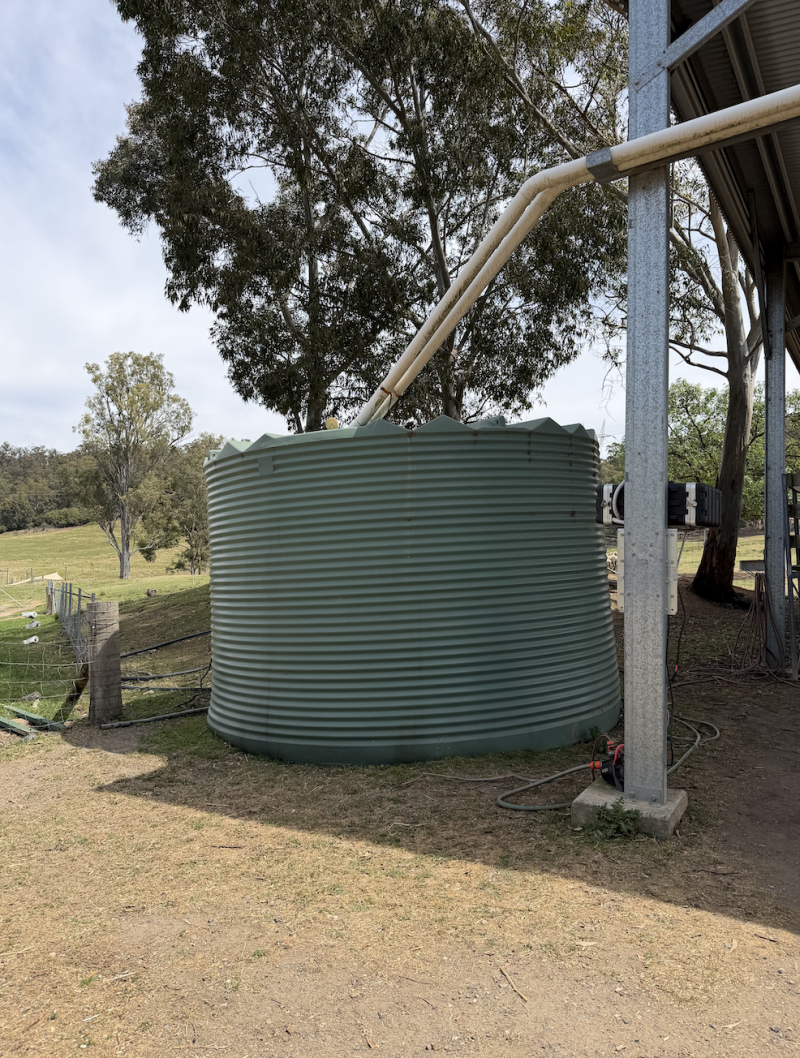
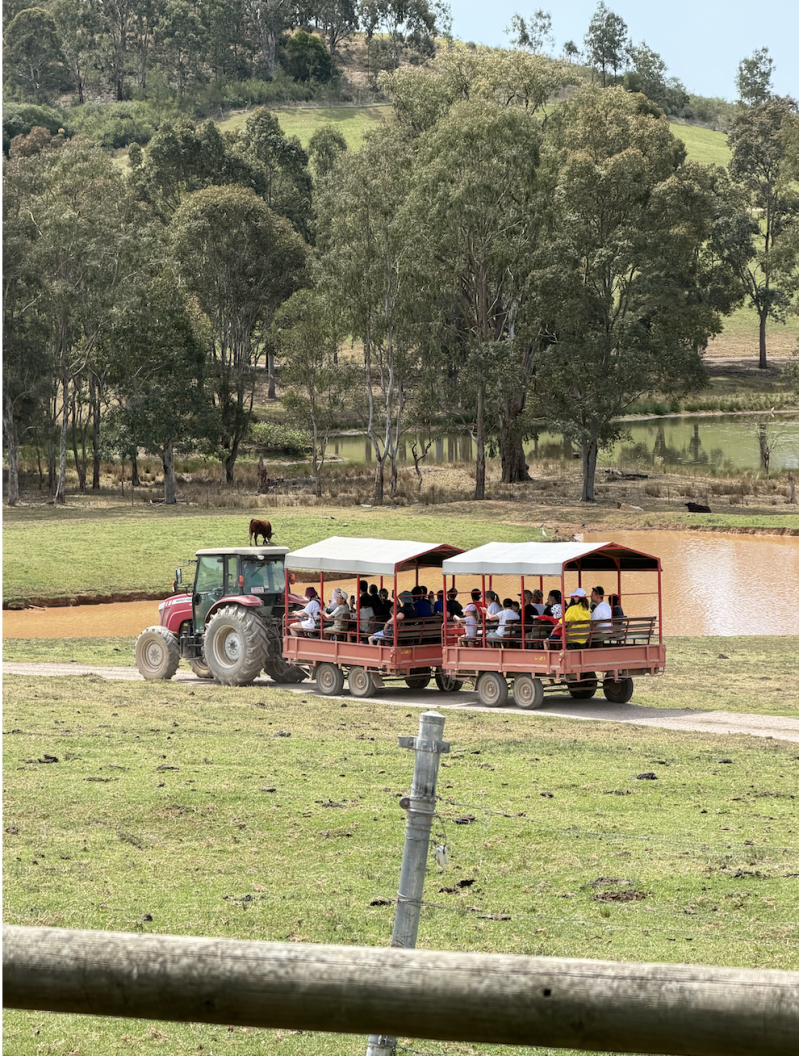
Inquiry Question: How do people care for the environment and animals at Calmsley Hill City Farm?
- Assessment: students' observations and explanations
- Differentiation: visuals, vocabulary word bank
- Environmental Care Cards
During and following their visit to Calmsley Hill City Farm, students investigate how people care for and manage the environment. Students work in small groups to identify examples of environmental care they observed, such as caring for animals, maintaining gardens and farm areas, managing resources and protecting the surrounding environment. Using their own observations, photographs and a simple investigation sheet, students record examples of “What we noticed”, “Why it matters” and “How it helps the environment.” Back in the classroom, groups compare their findings and discuss which practices they believe are most important. Students then select one environmental practice and explain how it contributes to caring for the place. Their explanations can be presented through a short written response, labelled drawing or oral presentation.
Environmental Care Challenge!
Provide the students with challenge cards to keep with them while they are at the farm that say: Find 3 ways people care for the environment and our animals at Calmsley Hill City Farm
- What did I notice?
- This helps me because…
- My example…
Assessment
Students' observations and explanations provide formative assessment of their understanding of how people care for environments.
Differentiation
- Visual checklist for all students particularly who need additional support.
- Key words vocabulary wordbank when the students return to the classroom: environment, sustainability, conserve, protect, resources, care.
- Students can respond through writing, drawing or oral explanation.
- Extension: students explain why a particular practice is important and suggest additional ways the environment could be cared for.
Learning Experience 2: Design a Sustainable Farm
Design a Sustainable Farm
- Inquiry question: How can we design a farm that cares for people, animals and the environment?
- Learning experience: 3D model activity
- Resources: recycled cardboard, boxes, paper, craft materials, labels, etc.
- Assessment: completed model & student's explanation
- Differentiation: provide a checklist/template or allow different ways to explain their design
- Extension: students explain how their farm could be improved further
After visiting Calmsley Hill, students independently design and construct a 3D sustainable farm model using recycled and craft materials. Drawing on their observations from the excursion, students include features that demonstrate sustainable environmental practices, such as responsible water use, animal care, waste management, vegetation and appropriate use of land. Students label the features of their model and explain how each feature helps care for the environment. Once completed, students participate in a “Sustainable Farm Showcase”, where they present their model to classmates and explain one environmental decision they made. Students can provide peer feedback by identifying a feature that effectively supports sustainability and asking a question about the design.
Teaching Strategies:
- Collaborative discussion
- Inquiry based questioning
- Observation and evidence collection
- Hands on learning
- Student choice
- Peer feedback
495 words
Create Your Own Website With Webador